Loft & Cavity Wall insulation

Loft & Cavity Wall insulation

More than a third of all heat lost from an uninsulated home escapes through the walls and roof. Installing cavity wall and loft insulation are often the most cost-effective measures you can undertake to save energy in your home.

Types of cavity wall insulation

There are three main types of insulation: fibre, bead and PUR foam. 

Fibre and bead are the predominant types used subject to suitability based on a technical survey. PUR foam has a broader range of uses, including non-standard cavities as well as use in flood risk areas.  

How cavity wall insulation is installed

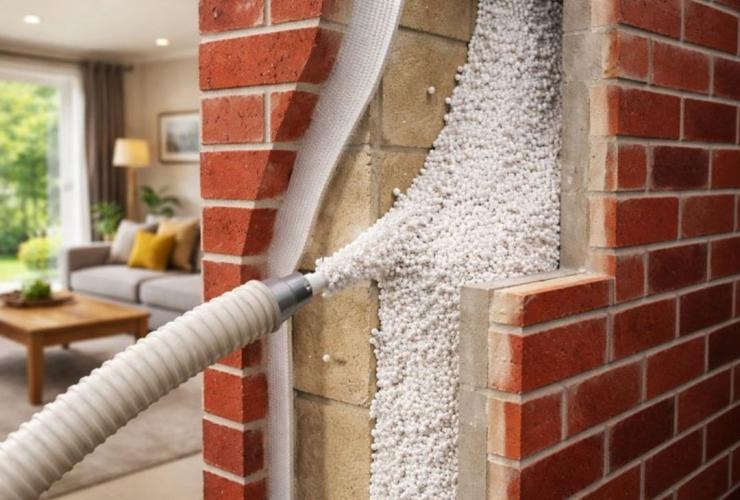
Cavity wall insulation is injected through the outer wall of your home into the space between the inner and outer leaves of brickwork that make up cavity walls. Where practicable, all of the installers working with our scheme use "Silver Bonded Bead". This product prevents slippage and gives an improved thermal performance. Giving you the peace of mind that your insulation will not cause your property problems in the future.  

How insulation could reduce bills

Insulating your cavity walls can help your home to keep heat in, making it feel warmer and more comfortable, plus you could save between £90 and £270 per year, depending on your property type and size.  

Is cavity wall insulation recommended?  

We wouldn’t usually recommend cavity wall insulation for coastal properties; however, it is suitable for most other properties. It will be recommended following the survey if deemed appropriate.    

What is cavity wall insulation?  

Cavity wall insulation fills the gap between the inner and outer walls of your home to help reduce heat loss or keep your home cool in summer.

What are the considerations of cavity wall insulation?  

Some considerations of cavity wall insulation are trapped moisture, so suitable ventilation measures will likely need to be added (this will be highlighted in the retrofit survey), and existing damp will need to be fixed before the work can start.

How much does cavity wall insulation cost?  

If you’re eligible, cavity wall insulation can be funded through the Government’s Warm Homes: Local Grant. This could cover the cost of installation.

Complete an application form to check your eligibility.
Loft Insulation

Loft Insulation: A Guide to Energy Efficiency and Savings

An uninsulated loft can cause you to lose up to a quarter of your home's heat right through the roof. Insulating your loft, attic, or flat roof is one of the simplest and most effective ways to trap that heat inside, make your home more comfortable, and lower your energy bills.

We have already helped numerous households across Lancashire insulate their lofts—either completely free of charge or at a highly subsidised cost.

What is Loft Insulation?

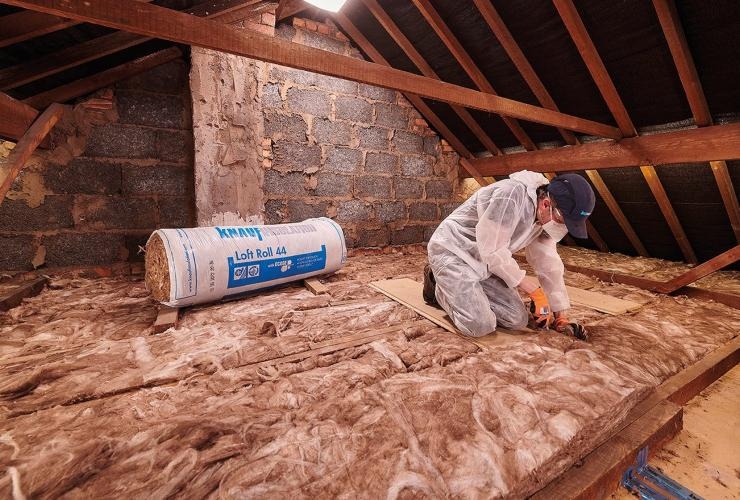
Loft insulation is a protective layer of material installed across your loft floor or roof space. It acts as a barrier that traps warm air inside your living spaces during the winter, prevents it from escaping, and helps regulate your home's temperature all year round.

The Key Benefits

Reduced Energy Bills: Insulating an uninsulated loft can save you up to £150 per year, while a loft insulation top-up can save up to £65 per year.

Better Health and Comfort: Keeping your home at a healthy temperature (18°C to 21°C) reduces the risk of serious health conditions, including respiratory problems, strokes, heart attacks, and hypothermia.

Lower Carbon Footprint: By reducing the amount of energy needed to heat your property, you directly cut down your carbon emissions.

Important Considerations
Before installing loft insulation, there are a few practical factors to keep in mind:

Reduced Storage Space: The thick layers of insulation required for maximum efficiency can reduce the amount of usable storage space in your loft.

Access and Maintenance: Insulation can cover or restrict easy access to wiring, pipes, and other household systems located in the roof space.

Condensation Risks: If not properly ventilated, insulation can trap moisture, which may lead to condensation issues.


Frequently Asked Questions


How long does loft insulation last?

The lifespan depends on the material used. High-quality mineral wool insulation can last up to 50 years. More fragile or lightweight insulation materials typically last around 15 to 20 years.


How much does loft insulation cost?

Many residents in Lancashire qualify for free or heavily subsidised installation through available funding schemes.


This site uses cookies to monitor site performance and provide a mode responsive and personalised experience. You must agree to our use of certain cookies. For more information on how we use and manage cookies, please read our Privacy Policy.